A water filter does not last forever, and a worn-out one can leave your water worse than having no filter at all. Most households in Harare and across Zimbabwe fit a system, enjoy cleaner water for a few months, and then forget about it until the tap slows to a trickle or the old taste comes back.
This guide covers how often to change your water filters, the signs that one is due early, and why filters in Zimbabwe often need changing sooner than the box says.
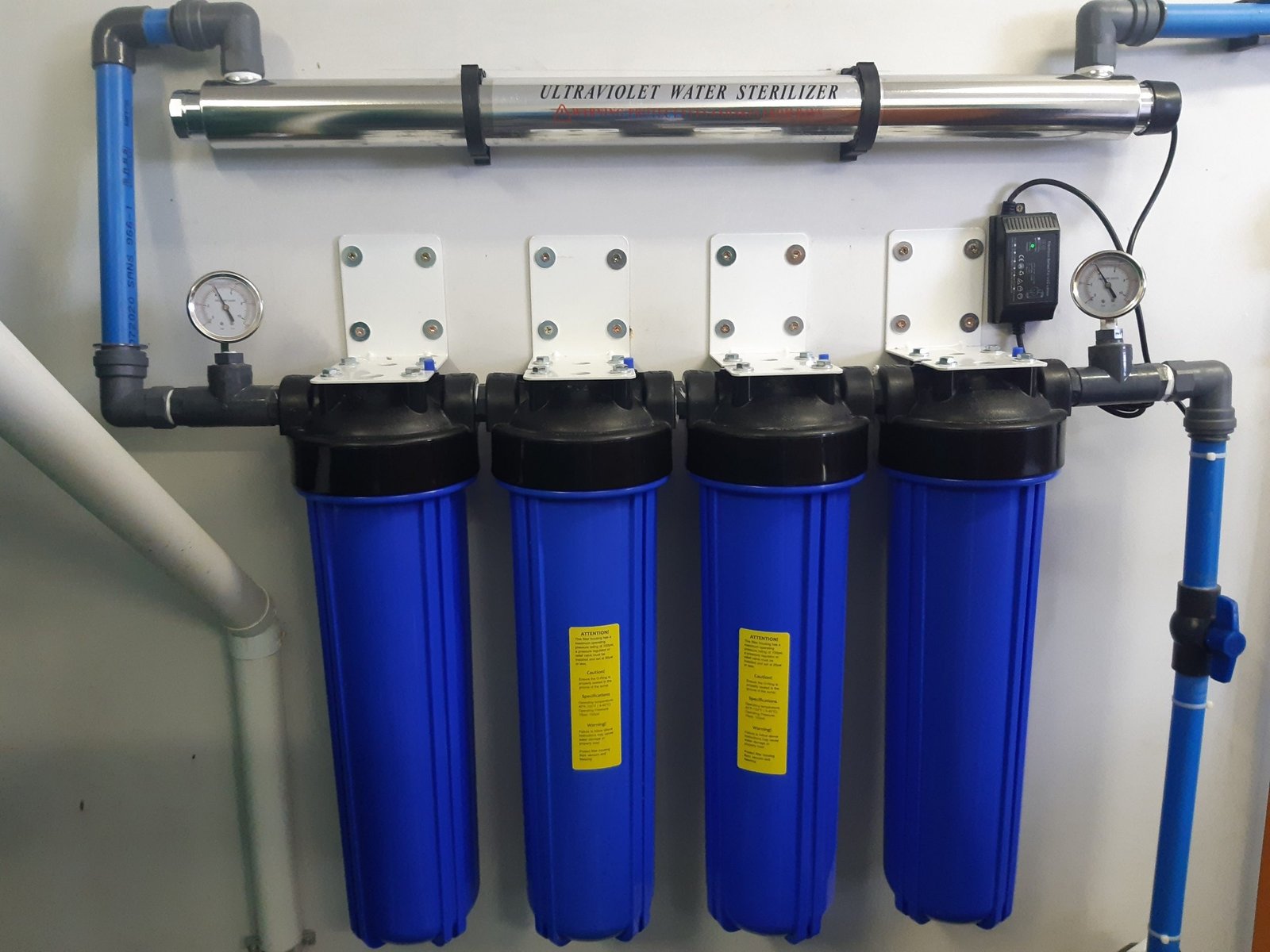
Why Water Filters Need Replacing
Every filter has a limited capacity, and once it is used up the filter stops doing its job. What that looks like depends on the type of filter.
Sediment filters clog
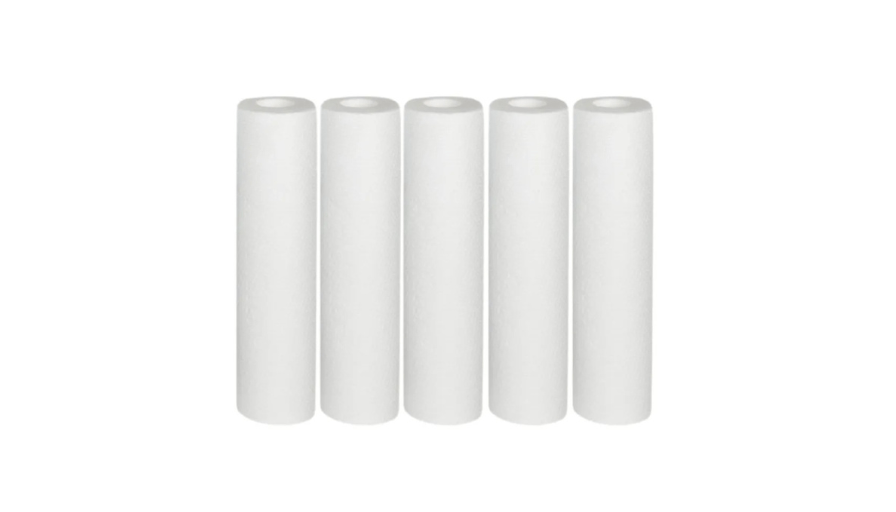
Sediment cartridges trap sand, rust and silt. As the cartridge fills, less water gets through and your pressure drops.
Carbon filters saturate
Carbon removes chlorine, tastes and odours by holding them on its surface. When that surface is full, chlorine and odours pass straight through.
Old cartridges can grow bacteria
A cartridge packed with trapped organic matter, sitting wet for months, is a good place for bacteria to multiply.
Neglected pre-filters damage your RO membrane
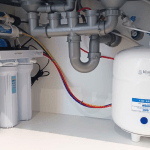
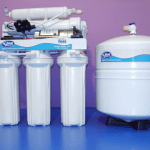
In a reverse osmosis system, the sediment and carbon stages protect the membrane. If they are left too long, sediment and chlorine reach the membrane and shorten its life. The membrane is the most expensive part to replace, so changing the cheaper cartridges on time is what keeps the expensive parts working.
How Often to Change Each Type of Water Filter
Use these intervals as a starting point for a typical household. Your manufacturer’s guidance and your own water quality come first.
| Filter | What it does | Typical interval |
|---|---|---|
| PP sediment cartridge | Traps sand, rust and silt | Every 3 to 6 months |
| GAC carbon cartridge | Removes chlorine, taste and odour | Every 6 to 12 months |
| Carbon block (CTO) cartridge | Removes chlorine and some chemicals | Every 6 to 12 months |
| Post carbon (T33) cartridge | Polishes taste at the final stage | About every 12 months |
| UF membrane | Blocks bacteria and fine particles | Every 1 to 2 years |
| Reverse osmosis membrane | Removes dissolved salts and metals | Every 2 to 3 years |
| UV lamp | Disinfects water with ultraviolet light | About every 12 months |
If you are not sure which cartridges your system uses, our guide to water filter cartridges in Zimbabwe explains each type.
Do not forget the UV lamp
A UV lamp is the one people get caught out by. It carries on glowing long after its output has dropped too low to disinfect properly, so change it on schedule even if it still looks fine.

Signs Your Water Filter Needs Changing Early
Your water will usually tell you before the calendar does. Change the filter if you notice any of these:
- Lower pressure or slower flow. The most common sign of a clogged sediment cartridge.
- Taste or smell coming back. Chlorine or an earthy taste returning means the carbon is spent.
- A dark or slimy cartridge. If you have clear housings, a brown, orange or green cartridge is finished.
- Cloudy water or visible particles. The filter is letting through what it should be catching.
- An RO tank that takes much longer to fill. Usually clogged pre-filters or a tired membrane.
- A rising TDS reading. If you have a TDS meter, a reading that keeps climbing on your RO water points to the membrane.
Seeing any of these? Send us a photo of your system and we will tell you what to replace.
Why Filters Wear Out Faster in Zimbabwe
The interval on the box assumes clean, steady mains water, and that is not what most Zimbabwean homes have. Several local conditions use a filter up faster.
Borehole water
Boreholes often carry fine sand and silt, and many contain iron and manganese that stain and clog cartridges quickly.
Interrupted municipal supply
In Harare and other towns, when water returns after a cut it tends to arrive carrying rust and sediment that has been stirred up in the pipes.
The rainy season
Boreholes, dams and rivers often run more turbid during and after heavy rain.
Hard water and heavy use
Scale builds up inside housings and on membranes. A large household, or one filter feeding the whole home, also puts far more water through the system than the interval assumes.
If any of these apply, check your sediment cartridge monthly at first. How quickly it discolours will tell you how often your own water needs it changed.
Start With a Water Test
Knowing what is in your water tells you which filters matter most and how hard they are working. If you have never had your water analysed, or your source has changed, a test is the place to start.
Blue Steel Water can arrange a complete chemical and bacteria analysis of your drinking water, with sample collection available across Zimbabwe. See our water testing page for how it works, or read our guide to water testing in Zimbabwe to see what gets tested.
How to Stay on Schedule
- Write the date on each cartridge, or on the housing, when you fit it.
- Set a phone reminder for the next change.
- Keep one spare set of cartridges at home so a change is never delayed.
- Have your water tested if you have never done so.
Replacement Water Filters in Harare and Across Zimbabwe
Blue Steel Water stocks replacement sediment and carbon cartridges, reverse osmosis membranes and filter media. See our water treatment consumables for the full range.
If you are not sure what your system needs or when it was last serviced, send us a photo of it on WhatsApp at +263 77 957 5500 and we will tell you what to replace. Visits to 17 Halford Road, Greystone Park, Harare are strictly by appointment.